Thinking about placing a conservation easement on your Bend-area ranch, or buying a property that already has one? You are not alone. Many owners in Deschutes County want to protect open space, wildlife habitat, and working lands while planning for a sound exit or family transfer. This guide explains how conservation easements work on Oregon ranches, what they mean for property use and value, and where to look for potential program support. Let’s dive in.
What is a conservation easement?
A conservation easement is a voluntary legal agreement that limits certain uses of land to protect conservation values like habitat, open space, scenic views, or agricultural use. It is recorded in the deed and usually lasts forever. Local land trusts and agencies are common holders responsible for monitoring and enforcement. For a plain-English overview, the Land Trust Alliance outlines how easements are structured and stewarded.
If you donate a qualifying easement, federal rules may allow a charitable deduction. The rules are specific, and the IRS sets appraisal and substantiation requirements. For the federal framework, review the IRS page on charitable contributions of conservation easements.
How easements work in Deschutes County
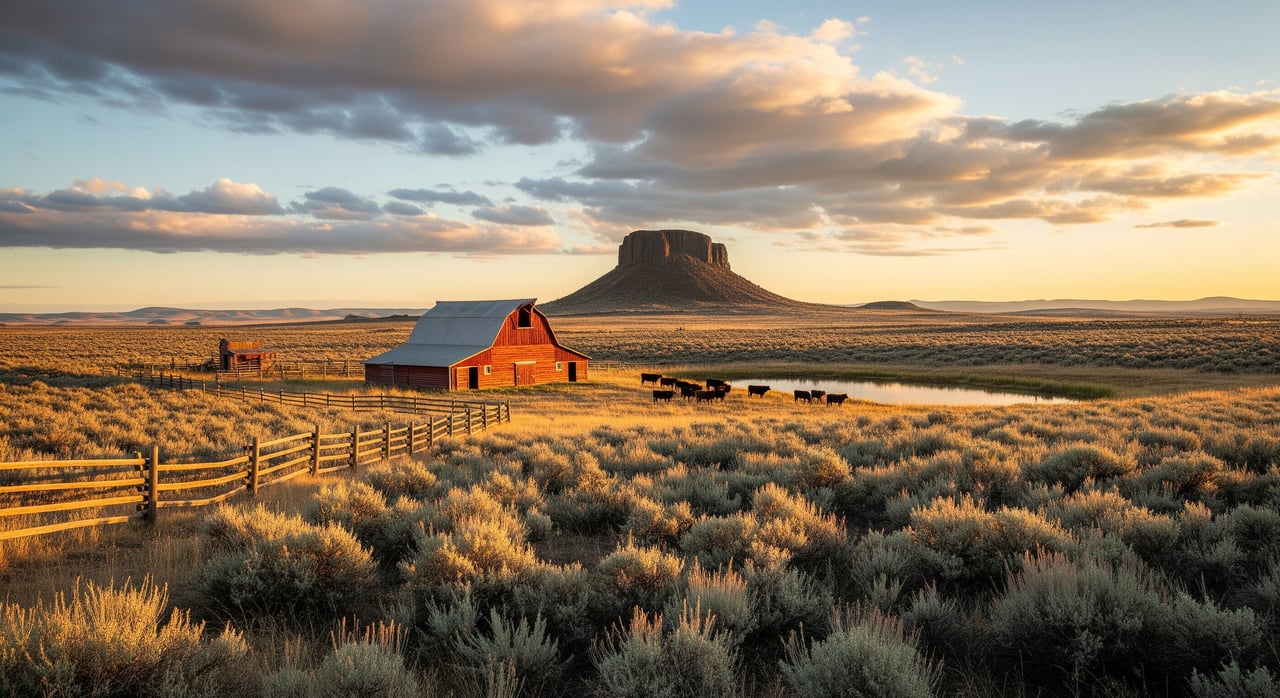
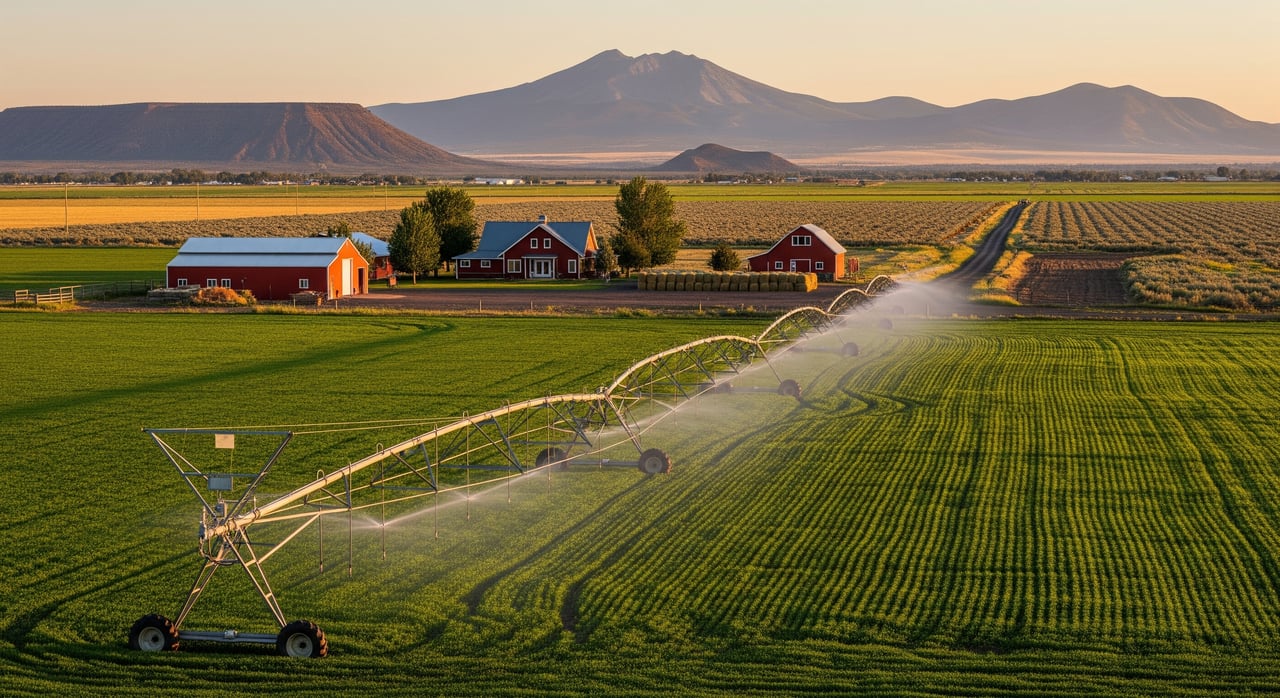
Deschutes County’s ranch landscape mixes irrigated hay ground, sagebrush steppe, riparian corridors, and pine forests. In Central Oregon, easements commonly focus on working ranch protection, riparian buffers, and scenic or open-space values. Local holders like the Deschutes Land Trust often partner with state or federal funders, depending on the project.
County zoning and permitting still apply after an easement is recorded. That means your easement restrictions layer on top of local rules. You will also coordinate on monitoring and stewardship with the holder through baseline documentation and periodic site visits.
Common terms and restrictions
Each easement is negotiated to fit the property, but most include clear limits and allowances. Typical examples include:
- Prohibited uses: subdivision or sale of new development lots, commercial development that conflicts with the conservation purpose, or new residential footprints beyond set limits.
- Limited uses: caps on the number or size of dwellings, defined building envelopes, regulated road building, and controls on mineral extraction or large commercial infrastructure.
- Working lands: grazing, haying, and sustainable timber harvest are often allowed when consistent with a management plan. Fencing and seasonal ranch structures are commonly permitted.
- Habitat work: restoration and enhancement work is usually allowed, sometimes with prior approval from the holder.
- Public access: optional. Some easements allow limited public trails or seasonal access, and many do not allow public access at all.
Most conservation easements are perpetual. Term easements exist, but they are less common and used for specific program needs.
Pros for Bend-area ranch owners
A conservation easement can be a powerful tool when it matches your goals.
- Protects your legacy. You can ensure long-term open space, wildlife habitat, or working ranch use.
- Aligns with stewardship. Easements can codify the way you already manage the ranch and support restoration projects.
- Opens doors to conservation buyers. For high-net-worth buyers who value protected landscapes, an easement can be a plus.
- May provide federal charitable incentives. Under specific rules, easement donations can qualify as charitable gifts. See the IRS guidance on conservation easements for the framework.
- Clarifies future development. Defined building areas and reserved rights reduce ambiguity for heirs or future buyers.
Cons and tradeoffs to weigh
Easements are not for everyone. Consider the limitations carefully.
- Reduced development potential. Removing or limiting development rights can reduce the property’s highest and best use from a development standpoint. That often affects market value.
- Smaller buyer pool. Easemented properties may have fewer potential buyers, which can affect marketability and time to sell.
- Permanent restrictions. Perpetual terms limit future flexibility for you and your heirs.
- Transaction and stewardship costs. Expect baseline documentation, appraisal, legal work, and a stewardship endowment to fund long-term monitoring.
- Compliance and clarity. Ambiguous language can cause disputes. Precise drafting and a credible holder are essential.
Market value, liquidity, and buyer pool
The value impact of an easement is context specific. Research and real-world experience show mixed outcomes depending on local demand and the nature of restrictions. In some settings, reduced development potential leads to lower market value compared with unrestricted land. In others, protected open space and conservation amenities can benefit nearby properties and appeal to a conservation-focused buyer segment. For background on these dynamics, see reports from the Trust for Public Land.
In the Bend market, high-net-worth conservation buyers are an active segment. An easement that protects a working landscape, privacy, and habitat may broaden appeal within that group while narrowing the pool of development-driven buyers. Expect pricing and time on market to reflect that mix.
Taxes, programs, and potential incentives
Assessment and property tax effects vary by county program and assessor practice. In some cases, reducing development potential can reduce assessed value, but outcomes depend on local rules and existing agricultural or forest-use programs. Talk with the county assessor to understand how your specific easement could be treated.
Several programs may support easement or habitat work:
- USDA NRCS ACEP. The Agricultural Conservation Easement Program can help fund easements on agricultural lands and wetlands. Learn more at the NRCS page for ACEP.
- State and watershed funding. The Oregon Watershed Enhancement Board offers grants for restoration and watershed projects that can complement easements. Explore OWEB for current programs.
- Local land trust partnerships. The Deschutes Land Trust partners on conservation projects and can advise on fit and process.
- Federal habitat programs. The U.S. Fish and Wildlife Service’s Partners for Fish and Wildlife Program provides technical assistance and may offer funding for habitat conservation.
Availability and eligibility change over time. Most programs are competitive and require specific conservation outcomes or matching funds.
Due diligence: a practical checklist
Before you commit, work through a structured process.
- Define your objectives. List your conservation goals, future building needs, water and grazing priorities, and whether you want any public access.
- Meet potential holders early. Discuss feasibility with local land trusts and the NRCS office to understand options and timelines.
- Baseline documentation. Plan for a thorough inventory of current conditions, maps, and photos that will be used for long-term monitoring.
- Independent appraisal. Hire a qualified appraiser who understands conservation easements to evaluate value impacts. This is also critical if a donation is part of your plan.
- Title and survey. Confirm boundaries, water rights appurtenance, and existing encumbrances. Survey as needed to define building envelopes.
- Draft with precision. Work with holder counsel and your attorney to spell out reserved rights, operational allowances, wildfire and fuels management provisions, and approval processes.
- Stewardship funding. Agree on monitoring schedules and an endowment amount with the holder.
- Check financing. Notify your lender if you plan to encumber the property. Many lenders require consent and have policies on easemented land.
- Align with local rules. Ensure easement terms do not conflict with county zoning, habitat protections, or permitting requirements.
Is a conservation easement right for your ranch?
If your top priority is protecting the character and productivity of your land for the long term, an easement can be a strong fit. If you want to preserve build-out options or keep every future path open for heirs, the permanent restrictions may feel too limiting. The key is to design terms that reflect your working needs today and your legacy goals for tomorrow.
When you are ready to compare scenarios, you deserve a partner who understands both the conservation side and the operational realities of Central Oregon ranches. Our team helps owners evaluate easement impacts on water, irrigation, grazing capacity, timber, and market positioning so you can make a clear decision. To talk through options or request a pricing analysis for an easemented or unrestricted ranch, connect with Jerry W Hicks.
FAQs
What is a conservation easement on an Oregon ranch?
- A conservation easement is a recorded agreement that limits certain uses to protect conservation values like habitat, open space, or agricultural use, usually in perpetuity.
Does a conservation easement require public access in Deschutes County?
- No, public access is optional and negotiated; many easements do not allow public access, while some allow limited trails or seasonal use.
How can a conservation easement affect my ranch’s market value?
- Easements often reduce development potential, which can lower value in some cases, though conservation amenities can attract a different buyer segment and outcomes vary.
Are there programs that help fund conservation easements in Central Oregon?
- Yes, programs like NRCS ACEP and habitat partnerships through the Deschutes Land Trust or OWEB may support qualifying projects.
Can I keep running cattle and hay operations under an easement?
- Often yes; many easements allow grazing and haying when consistent with a management plan and the conservation purpose, with details written into the deed.
Will a donated easement qualify for a federal tax deduction?
- It can if it meets IRS rules for conservation purpose, appraisal, and substantiation; see the IRS page on conservation easements and consult qualified advisors.
What ongoing responsibilities will I have after recording an easement?
- You will host periodic monitoring visits, comply with the deed’s terms, and typically contribute to a stewardship endowment that funds long-term oversight.